
About Alumi · Loganville, GA

Alumi: a desk that treats a grant application as a spec.

We research funders, write applications and file the answers for reuse, for nonprofits too small to employ a development director.

Why the desk exists

Most small-nonprofit applications fail before they are read.

A food pantry with a $140,000 budget applies to a foundation whose median award is $5,000, asks for $50,000, and writes a narrative that ignores the scoring sheet. The mission was never the problem. The fit was, and so were the ask and the structure.

Alumi was set up in Loganville to close that gap. We read the guidelines the way a program officer reads a score sheet, check the funder against your budget size and geography, and only then draft. A written application is the last step of the work, not the first.

The billing follows the same logic. We charge a flat fee per submitted application, never a percentage of an award, so nobody at this desk gains from a padded ask. If a funder is a poor match, the fit memo says so, and that memo is sold on its own for $175.
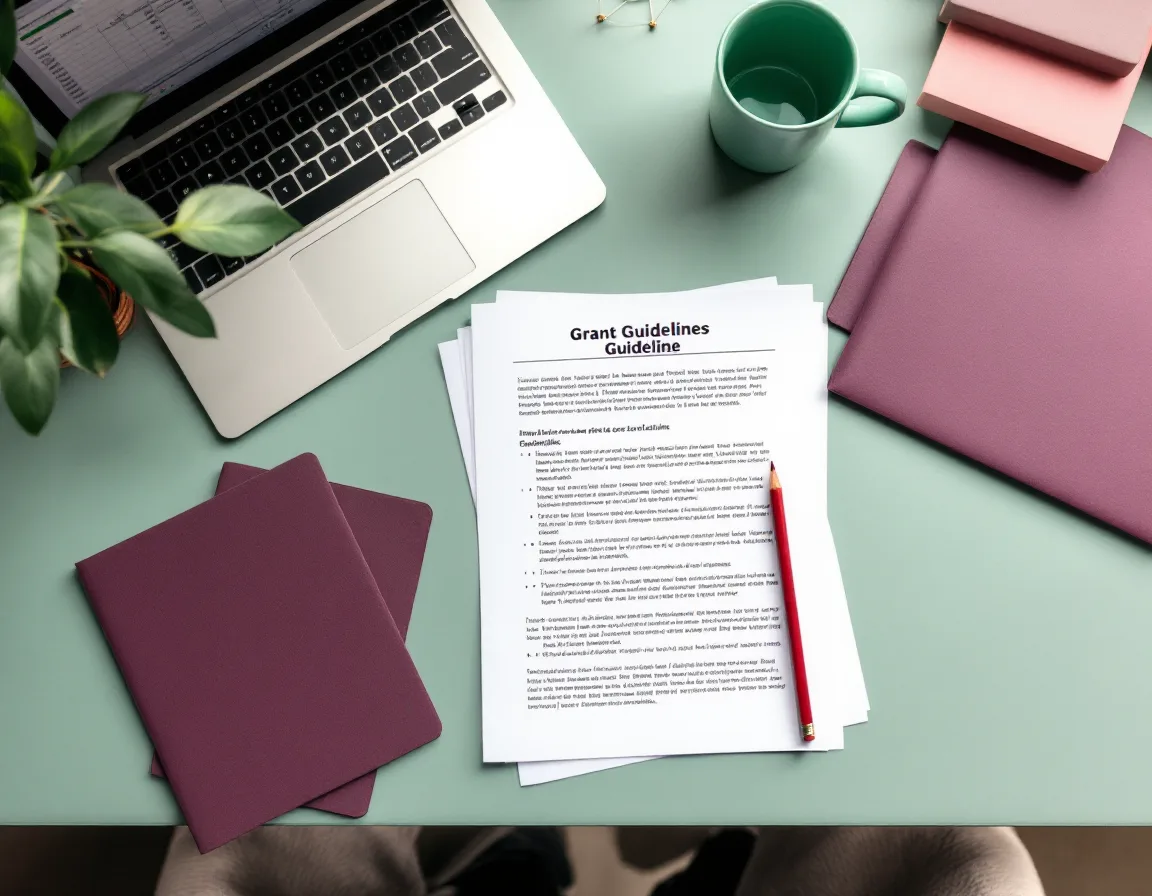

A desk with annotated grant guidelines, a plum folder and a green mug
Editing rules

Four checks every file passes before it leaves the desk

  1. R1

    Fit test

    Median award, geography, eligible budget and deadline cadence are scored for each funder. A funder that fails two fields is dropped from the memo.

    Output: one-page fit memo
  2. R2

    Rubric order

    Headings and paragraphs follow the funder’s scoring criteria in the order the sheet lists them, so each point is findable in seconds.

    Output: narrative mapped to rubric
  3. R3

    Budget reconciliation

    Every narrative figure traces to a budget line, and every line to a sentence of justification. Personnel percentages, indirect rate and match agree.

    Output: reconciled budget and justification
  4. R4

    Character-count audit

    Text is counted against the live portal fields, spaces included, before delivery. Nothing is truncated when you paste it in.

    Output: portal-ready text
A week at 222 Evergreen Way

What the desk is doing between Monday and Friday

Phones are answered Mon–Fri 10am–4pm. The writing happens around the calls, on a standing weekly cadence.

  • Monday

    Deadline sweep

    Open deadlines are re-sorted by days remaining; any file inside 10 days moves to the top of the queue.

  • Tue–Wed

    Drafting blocks

    Narrative and budget are written in uninterrupted morning blocks, one client file at a time.

  • Thursday

    Reviewer read

    Each draft is re-read against the rubric with the score sheet open, as a reviewer would.

  • Friday

    Library filing

    Submitted answers are filed to client libraries with funder name and character count attached.

Out of scope

Work we send elsewhere

A narrow scope keeps the fee flat. These are the requests we turn down, and say so on the first call.

A printed grant application being handed across a table
  • Contingency feesWe never bill a percentage of an award. Flat fee per submission only.
  • Guaranteed outcomesNo one controls a review panel. We control fit, structure and accuracy.
  • Asks that don’t fit the funderIf the request is ten times the funder’s median award, we say so before billing.
  • Award reporting and site visitsPost-award work sits outside the flat fee. Extra rework is $95 per hour, quoted first.
  • Submitting on your behalfYou submit from your own portal login. We stay on the phone while you paste.
Talk to the desk

Have a funder name and a deadline? Call and we’ll size the application.

Bring your EIN and the guidelines. On the call we confirm fit, a fee and the backward schedule from your deadline. Walk-ins at 222 Evergreen Way are welcome, but call first and a desk is held.

Send the guidelines instead
Tap to call (470) 318-7461
Mon–Fri
10am–4pm
Sat–Sun
Closed
222 Evergreen Way
Loganville, GA 30052

info@alumicollective.com

Directions to the desk

Call now Email us